


May 3, 2026 | English
Credit Card Processing Comparison: How to Find the Right Provider for Your Business

Choosing the right credit card processing provider can have a major impact on your business costs, checkout experience, and daily operations. With so many payment processors, merchant services companies, POS systems, and online payment tools available, it is important to compare more than just the advertised transaction rate.
The best credit card processor should match how your business accepts payments. A restaurant may need tipping, tableside payments, and fast checkout. A retail store may need inventory tools and barcode scanning. An e-commerce business may need a secure payment gateway and fraud protection. A service-based business may need invoicing, payment links, and recurring billing.
A clear credit card processing comparison can help business owners understand the different options, compare fees, and choose a provider that fits their sales volume, industry, and customer payment preferences.
What Is Credit Card Processing?
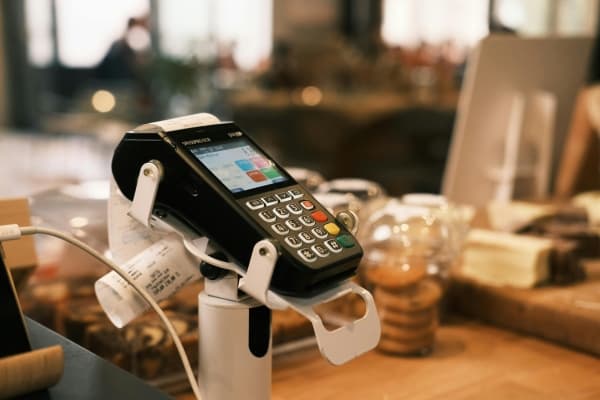
Credit card processing is the service that allows businesses to accept payments made with credit cards, debit cards, and digital wallets. When a customer pays by card, the transaction is securely sent through a payment processor, card network, and issuing bank for approval.
Once approved, the transaction is completed, and the funds are deposited into the merchant’s business bank account after settlement. Depending on the provider, funding may happen the next business day, within a few days, or faster with eligible funding options.
Credit card processing is commonly used for:
- In-store payments
- Online payments
- Mobile payments
- Phone orders
- Invoice payments
- Recurring billing
- Payment links
- Subscription payments
Credit Card Processing Comparison Table
| Processing Option | Best For | Key Features | Cost Considerations |
|---|---|---|---|
| In-Person Processing | Retail stores, restaurants, salons, offices | Card terminals, POS systems, chip, swipe, tap, mobile wallets | Often lower rates than online or keyed-in payments |
| Online Processing | E-commerce stores, digital services, and booking sites | Payment gateway, checkout page, fraud tools, shopping cart integrations | Usually higher fees because the card is not physically present |
| Mobile Processing | Contractors, food trucks, vendors, and delivery services | Portable card readers, mobile apps, payment links, digital receipts | May include device costs or app-based processing rates |
| Virtual Terminal | Phone orders, mail orders, remote billing | Manual card entry, secure dashboard, and invoice support | Keyed-in rates are often higher than card-present payments |
| Recurring Billing | Subscriptions, memberships, retainers, service plans | Automatic scheduled payments, customer billing profiles | May include gateway, storage, or subscription management fees |
| POS System Processing | Restaurants, retail shops, service businesses | Payments, inventory, employee tools, reporting, customer data | May include monthly software and hardware costs |
| High-Risk Processing | Businesses with higher chargeback or industry risk | Flexible underwriting, chargeback tools, specialized support | Usually, higher fees and stricter approval requirements |
Why Comparing Credit Card Processors Matters
Not all credit card processing companies are built for the same type of business. Some providers are best for small businesses that want simple pricing and easy setup. Others are better for high-volume merchants that need lower interchange-plus pricing, advanced reporting, or custom rates.
Comparing processors can help you avoid unnecessary fees, long-term contracts, poor customer support, and limited payment options. It can also help you find a provider that offers the right combination of pricing, hardware, software, security, and funding speed.
For business owners, the goal is not just to find the cheapest processor. The goal is to find the best overall value.
Key Factors to Compare
Processing Rates
Processing rates are one of the first things businesses compare. These rates may vary depending on whether the payment is accepted in person, online, manually keyed in, or through recurring billing.
In-person transactions are often less expensive because the card is physically present. Online and keyed-in payments are usually more expensive because they carry higher fraud risk.
Monthly Fees
Some providers charge a monthly account fee, software fee, platform fee, or subscription fee. A monthly fee is not always bad if the provider includes useful tools such as invoicing, reporting, inventory management, or customer support.
However, businesses should understand what the fee includes before signing up.
Hardware and POS Costs
Businesses that accept in-person payments may need card readers, terminals, registers, receipt printers, barcode scanners, or full POS systems. Some providers offer low-cost or free hardware promotions, while others require upfront purchases or monthly equipment payments.
Before choosing a provider, compare the total hardware cost and make sure the equipment fits your business operations.
Payment Gateway Support
Online businesses need a payment gateway to securely accept payments through websites, e-commerce stores, booking forms, invoices, and payment links.
A good payment gateway should be secure, easy to integrate, and compatible with your website or e-commerce platform.
Funding Speed
Funding speed refers to how quickly your business receives money after a card payment is processed. Some providers offer next-business-day funding, while others may take longer.
Fast funding can be especially important for small businesses that rely on steady cash flow.
Contract Terms
Some credit card processors offer month-to-month plans, while others require long-term contracts. Businesses should review cancellation policies, early termination fees, equipment lease terms, and renewal rules before committing.
Flexible contract terms are often better for small businesses that want room to change providers later.
Customer Support
Reliable support is important because payment issues can affect sales. Look for providers that offer phone, chat, email, or 24/7 support, especially if your business operates outside normal business hours.
Restaurants, ecommerce stores, and high-volume merchants may need faster and more dependable support than businesses that process only occasional payments.
Common Credit Card Processing Pricing Models
Flat-Rate Pricing
Flat-rate pricing is simple and easy to understand. Businesses pay one standard rate for each transaction type. This model is popular with small businesses because it is predictable and easy to manage.
Interchange-Plus Pricing
Interchange-plus pricing separates the card network interchange cost from the processor’s markup. This model is often more transparent and may be more affordable for businesses with higher processing volume.
Subscription Pricing
Subscription pricing usually includes a monthly membership fee plus lower per-transaction costs. This can be a good option for businesses that process a large amount of card sales each month.
Tiered Pricing
Tiered pricing groups transactions into categories such as qualified, mid-qualified, and non-qualified. This model can be harder to understand because different transactions may be charged at different rates.
Custom Pricing
Custom pricing is based on your business type, sales volume, average ticket size, risk level, and payment methods. Larger businesses may be able to negotiate better rates.
Best Credit Card Processing Option by Business Type
| Business Type | Recommended Processing Features | Why It Matters |
|---|---|---|
| Small Business | Simple pricing, mobile reader, invoicing, no long-term contract | Keeps payment acceptance affordable and easy to manage |
| Restaurant | POS system, tipping, tableside payments, split checks | Helps speed up checkout and improve service flow |
| Retail Store | Inventory tools, barcode scanning, customer profiles | Connects payment processing with store operations |
| Ecommerce Business | Payment gateway, fraud tools, checkout integrations | Supports secure online transactions and digital sales |
| Service Business | Invoicing, payment links, recurring billing | Makes it easier to collect payments remotely |
| High-Volume Merchant | Interchange-plus or subscription pricing, custom rates | Can help reduce processing costs at scale |
| High-Risk Business | Specialized underwriting, chargeback support, risk tools | Improves approval chances and payment stability |
Credit Card Processing Fees to Watch For
Credit card processing fees can include more than the transaction rate. Before choosing a provider, review the full fee structure.
- Common fees include:
- Transaction fees
- Monthly account fees
- Payment gateway fees
- POS software fees
- Equipment costs
- PCI compliance fees
- Chargeback fees
- Batch fees
- Statement fees
- Early termination fees
A provider with a low advertised rate may not always be the cheapest option once extra fees are included. Always compare the total estimated monthly cost.
How to Choose the Right Credit Card Processor
The best credit card processor depends on how your business sells, how much you process, and which tools you need.
Start by identifying your main payment channels. Do you sell in person, online, by invoice, by phone, or through recurring subscriptions? Then compare providers based on pricing, features, funding speed, support, and contract terms.
Businesses should also consider future growth. A processor that works today should also be able to support more sales, new locations, online expansion, or additional payment methods as the business grows.
Questions to Ask Before Choosing a Provider
Before signing up with a credit card processing company, ask these questions:
- What are the in-person, online, and keyed-in rates?
- Are there monthly fees or minimums?
- Is there a long-term contract?
- Are there cancellation fees?
- How quickly are funds deposited?
- What hardware or POS systems are available?
- Does the provider support online payments?
- Are chargeback tools included?
- Is customer support available when my business needs it?
- Does the provider support my industry?
These questions can help you avoid hidden costs and choose a provider that fits your business.
Conclusion
A credit card processing comparison should look beyond basic transaction rates. The best provider for your business depends on your payment methods, sales volume, industry, hardware needs, software tools, funding speed, and customer support expectations.
In-person businesses may need a strong POS system and reliable terminals. Online businesses may need a secure payment gateway and fraud protection. Service businesses may benefit from invoicing and recurring billing. High-volume businesses may save more with transparent pricing models, while high-risk businesses may need specialized merchant services.
By comparing credit card processing providers side by side, business owners can choose a payment solution that supports smoother checkout, better cash flow, secure transactions, and long-term business growth.


